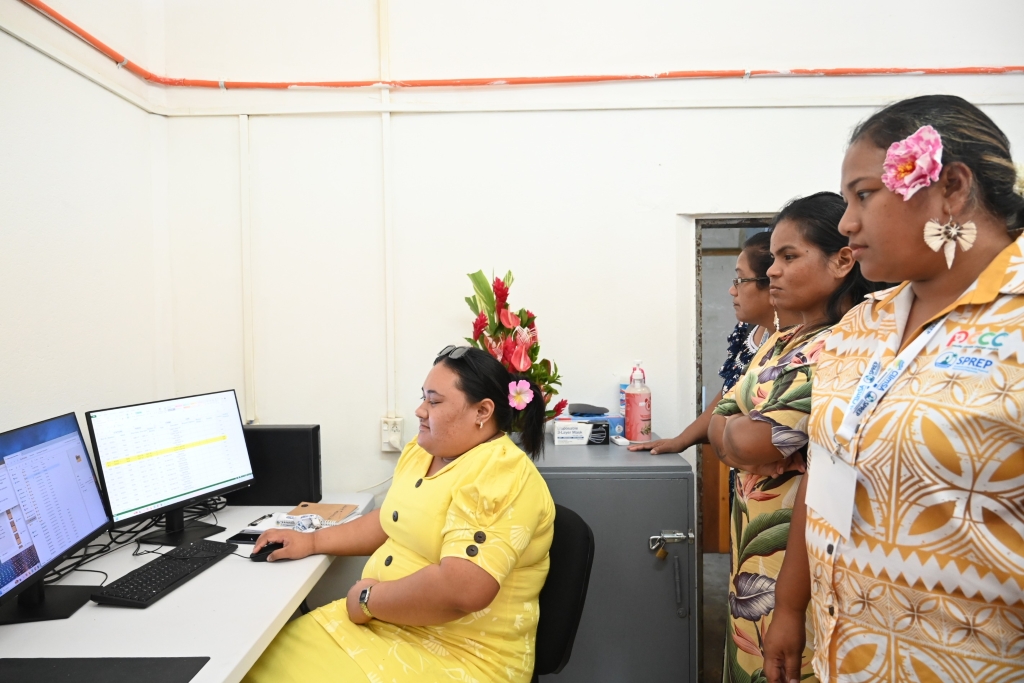
Pacific Advances New Meteorological Strategy at Validation Meeting
Aug 7, 2026Pacific weather and climate leaders met in Apia this week to review the region's plan for the next ten years of weather, climate and ocean services, work that is helping the Pacific prepare for cyclones, droughts, floods and rising seas. The meeting, funded by the European Union through the ClimSA Pacific Programme, was convened by the Pacific Meteorological Council (PMC) and the Secretariat of the Pacific Regional Environment Programme (SPREP), with support from technical advisers Varysian Limited.
It brought together weather service directors, government representatives and regional partners from across the Pacific to check that the new plan, known as PIMS 2027-2036, will genuinely meet the needs of Pacific communities.
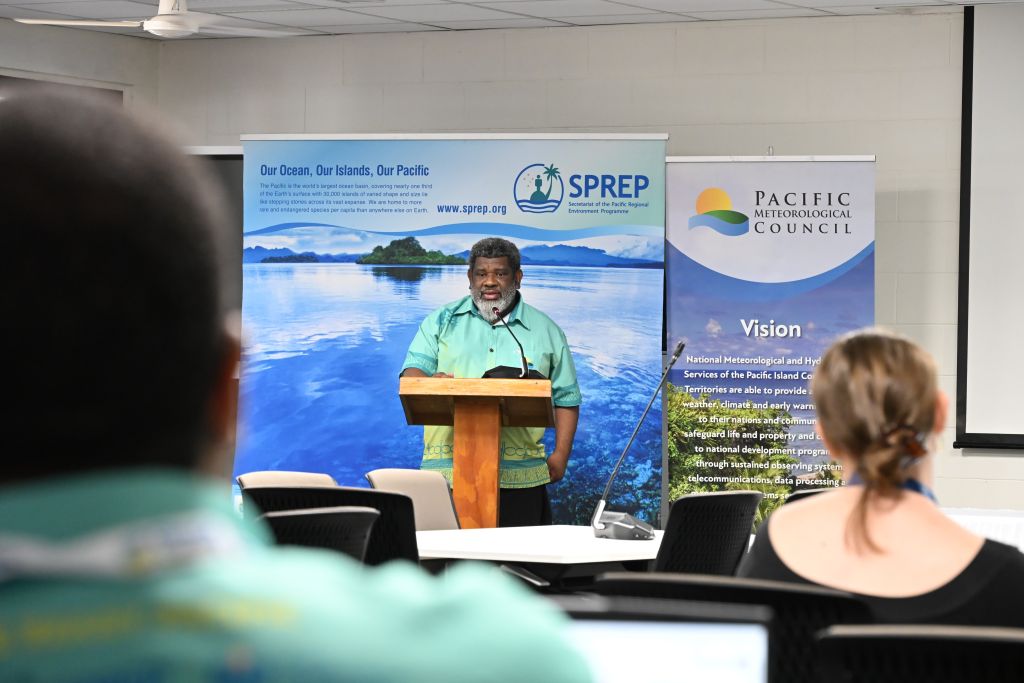
“The new Met Strategy will guide our journey for the next ten years, allowing us to measure our progress against the indicators that WMO have put forward, supporting the 2050 Blue Pacific strategy, the vision and aspiration of our leaders, and the Sendai framework," said Mr. Salesa Nihmei, Director Climate Services and Information at SPREP.
Mr. Nihmei explained that "In the lead up to this Validation Meeting, when we reflected on the achievements and the impacts of the last strategic plan, it was clear that it was written by technical people because a lot of the information required to measure our progress was missing. This time around, we want to ensure that all of those gaps are captured so that by the end of the next ten years, we are able to measure our progress as a region."
The Apia meeting follows on from a workshop held in Honiara, Solomon Islands, in May 2026, where the heads of national weather and climate services from across the region began drafting this new strategy to replace the current one, which runs out this year. That earlier workshop looked closely at what the current strategy had achieved and where it had fallen short.
It found that the region has made real progress on early warning systems, climate forecasting and ocean information, thanks to programmes such as Weather Ready Pacific and ClimSA Pacific. At the same time, it found that some countries still lack enough staff, equipment and funding to keep weather and water services running reliably, and that important information does not always reach the communities who need it most, including farmers, fishers and people living on remote islands.
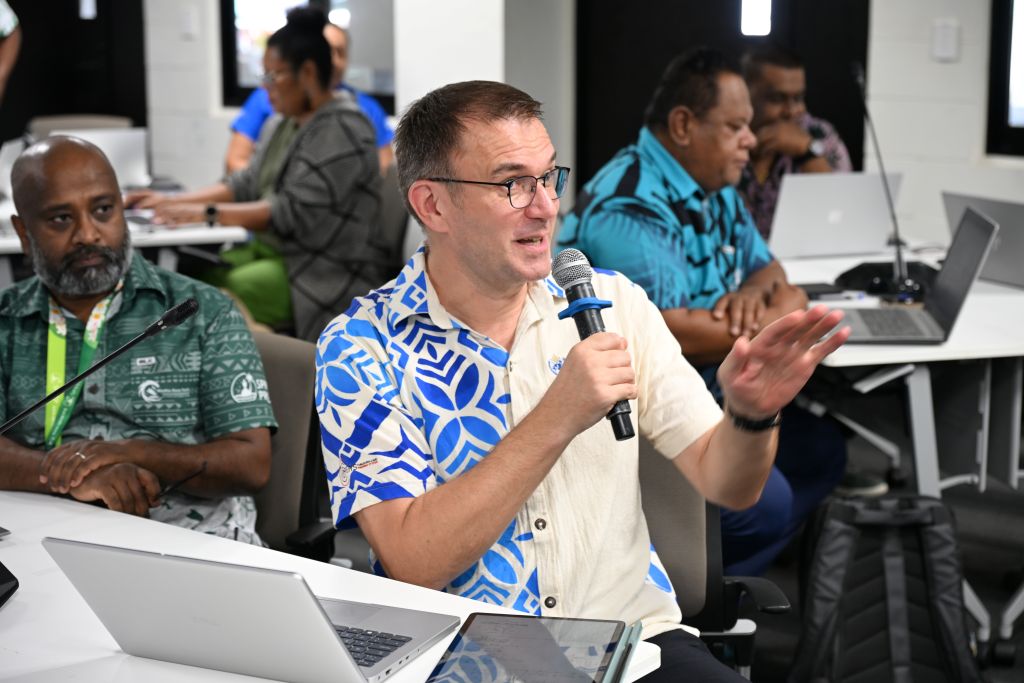
The hybrid meeting in Apia worked through the details needed to turn that thinking into a workable plan. Participants agreed on the priority areas the new strategy should focus on, discussed how progress will be tracked and measured over the next decade, and began shaping a ten-year implementation plan and budget. They also looked at how the strategy will be funded and sustained over time, and, importantly, how weather and climate information will actually be communicated to the public, so that warnings and forecasts reach people in a way they can understand and act on.
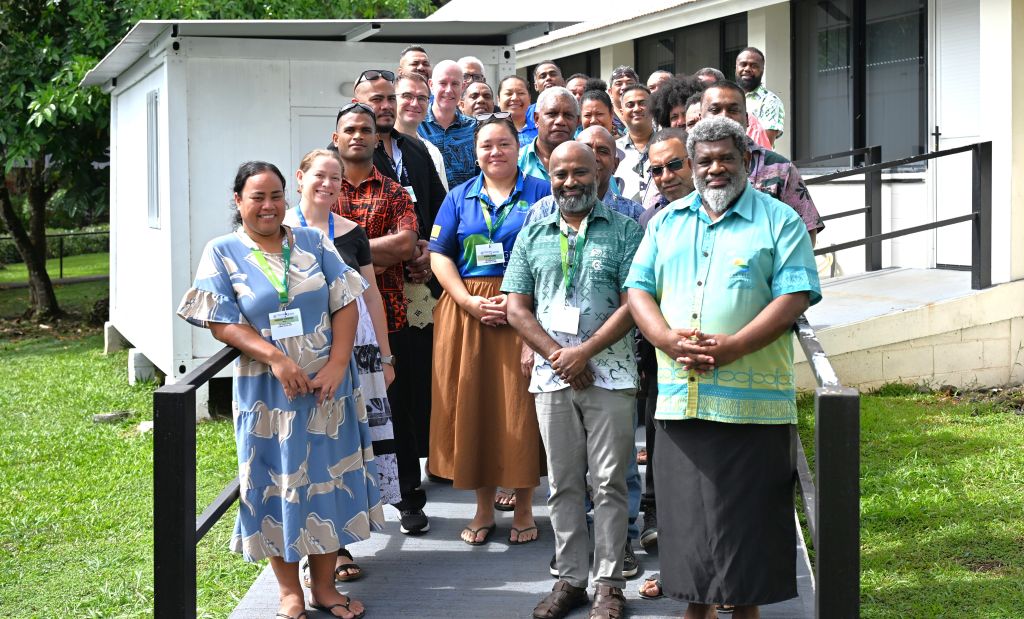
The meeting brought together a wide range of voices, including weather service directors and technical experts covering marine and ocean services, climate services, aviation weather, hydrology, and training, as well as representatives from Papua New Guinea, Fiji, the Cook Islands, the Federated States of Micronesia, the Marshall Islands and New Zealand. Regional and international partners including SPREP, the Pacific Community (SPC), the World Meteorological Organization (WMO) and others also took part.
The decisions and next steps agreed in Apia will now feed into the final version of the PIMS 2027-2036 strategy, which will be presented to Pacific governments for formal endorsement at the 8th Pacific Meteorological Council meeting in Nuku'alofa, Tonga.
About PIMS
The Pacific Islands Meteorological Strategy (PIMS) is the region's overarching framework for strengthening weather, climate, water and ocean services across 25 Pacific Island Countries and Territories. The successor strategy, PIMS 2027-2036, is being developed through a regional consultation, review and validation process supported by the European Union through the Intra-ACP Climate Services and Related Applications (ClimSA) Programme.
About ClimSA Pacific:
The Climate Services and Related Applications (ClimSA) Programme in the Pacific is a transformative initiative funded by the European Union and implemented by SPREP in partnership with the ACP Secretariat. ClimSA Pacific aims to strengthen climate information services, enhance early warning systems, and empower decision-making across key sectors through tailored, actionable climate products. By supporting National Meteorological and Hydrological Services (NMHSs) and regional coordination, ClimSA Pacific is building a more resilient and climate-informed Pacific community.
For more information, contact:
Patricia Mallam (patriciam@sprep.org)
WhatsApp: +6799962972
