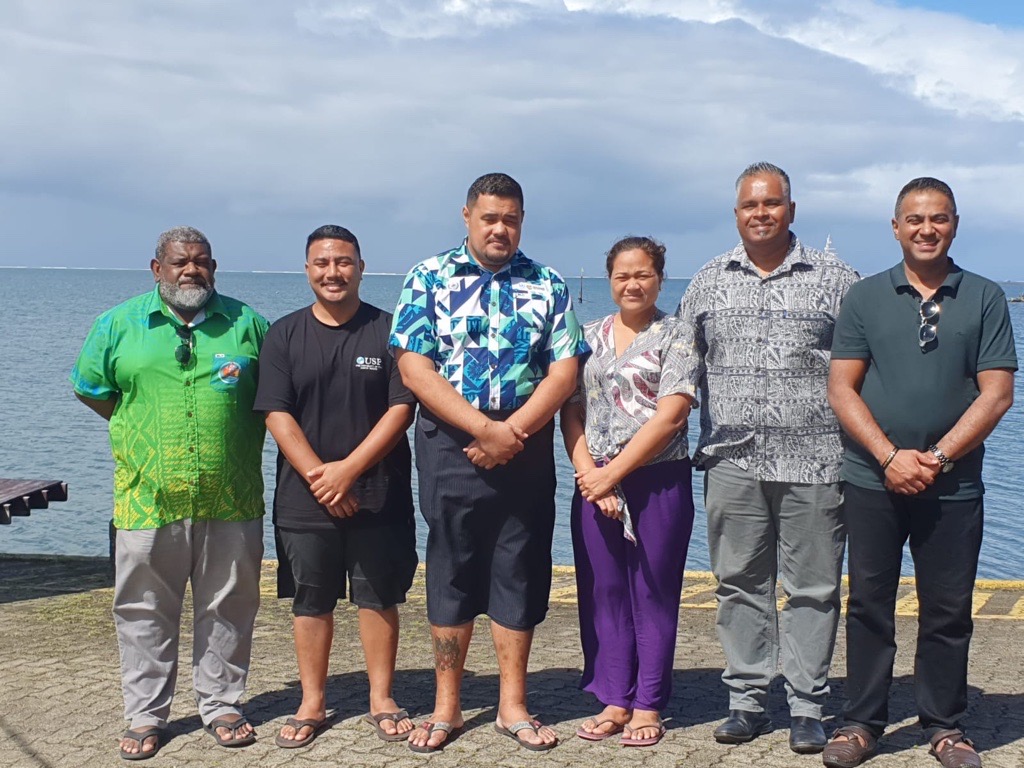
Six Pacific Met Service Officers Awarded ClimSA Scholarships at USP
Apr 16, 2026
Six officers from National Meteorological Services across the Pacific have been awarded scholarships to pursue postgraduate study in Clim ate Change at The University of the South Pacific (USP), through the European Union-funded Climate Services and Related Applications (ClimSA) Pacific Programme.
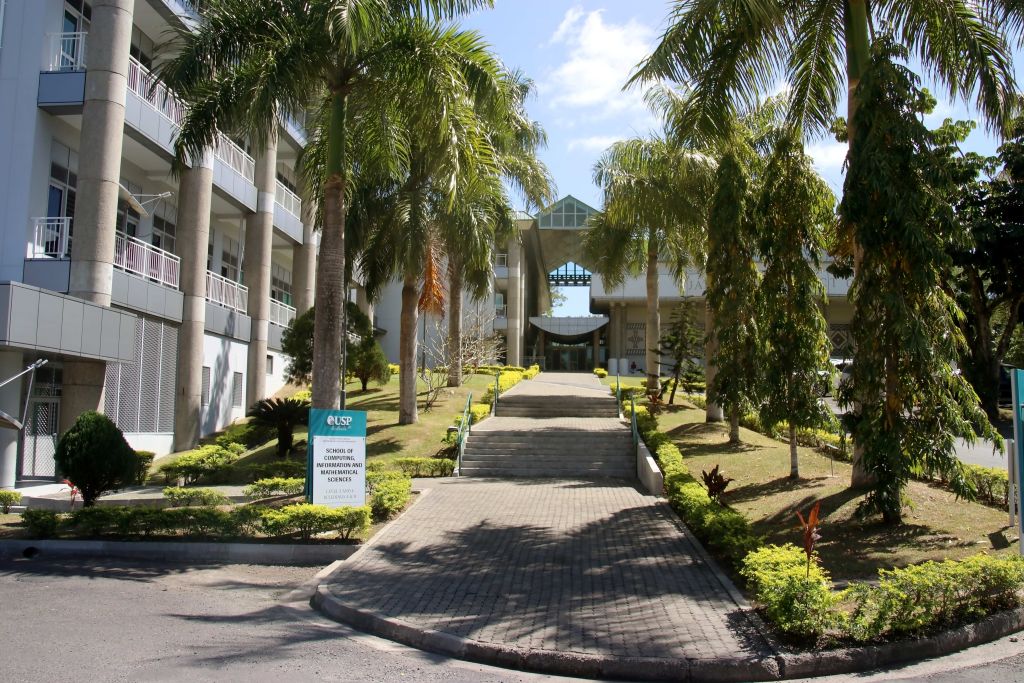
The scholarships, jointly supported by SPREP through ClimSA and USP's Centre for Sustainable Futures, are investing directly in the people who produce and deliver climate information across the region every day.
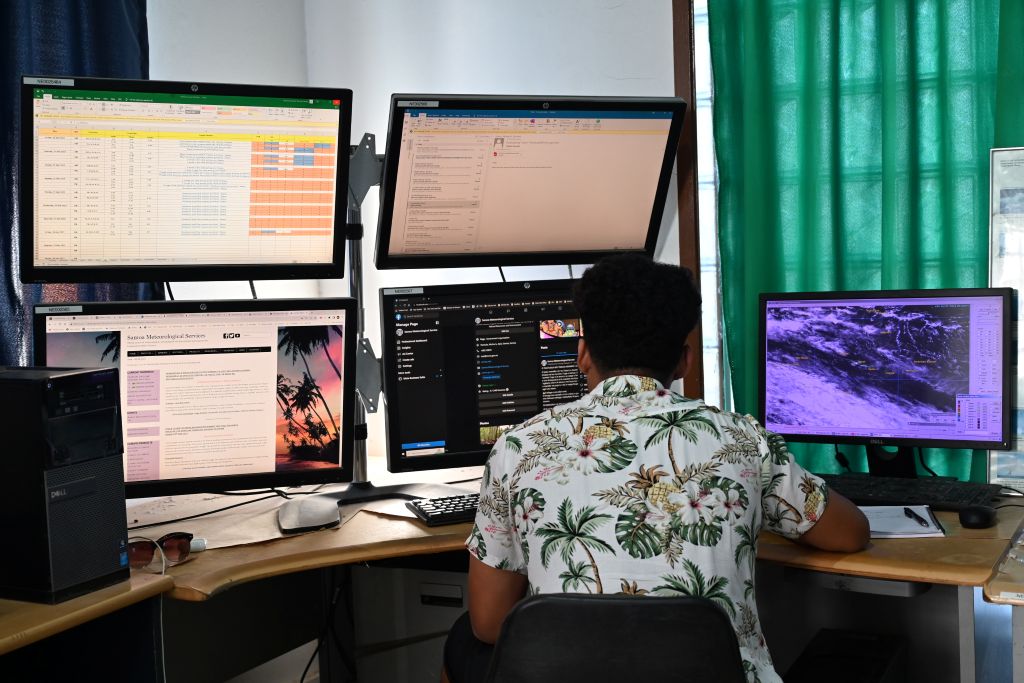
Pacific meteorological services play a critical role in generating the data, forecasts, and climate outlooks that governments, communities, and sectors like agriculture and fisheries depend on. But producing high-quality, well-documented scientific publications from within these services remains a challenge. Development partners have consistently identified a gap in the academic capacity of Pacific met services, a gap that limits the ability of these institutions to contribute to the peer-reviewed literature that informs policy and government decision-making.
Mr. Salesa Nihmei, Director Climate Science and Information at SPREP said, “Investing in our people is investing in the future of Pacific climate services. Through ClimSA, SPREP is proud to support accredited post-graduate qualifications for meteorological officers, a key priority under the Pacific Islands Meteorological Strategy. We are deeply grateful to the European Union for recognising this critical capacity gap and for supporting selected Pacific countries to strengthen the next generation of climate leaders.”
Strengthening competency training and academic skills within met services improves the quality and accuracy of data and ensures that Pacific climate knowledge is captured in publications that carry weight at national, regional and global levels.
This is a gap the European Union is actively trying to address through programmes like ClimSA. Initial funding under the project was earmarked for two Master's scholarships. By working within the partnership with USP, the programme was able to stretch that investment to support six scholars: four at the Master's level and two at the Postgraduate Diploma level.
"The Fiji Meteorological Service is very thankful to ClimSA for empowering our people. The provision of this scholarship to Ms. Amy McGowan who is just into her 3rd year at FMS and to Mr. Sajiva Sharma who on the other hand is onto his 32nd of service has indicated that we are bridging the knowledge gap and building capacity for the next generation of FMS Staff. For this, Fiji Met is very thankful to ClimSA,” said Mr. Misaele Funaki, Director of Fiji Meteorological Services
Some of the selected scholars had already begun self-funded postgraduate studies, and ClimSA funding now enables them to continue studying while remaining in their roles. This approach also ensures that the limited staffing capacity within Pacific met services is not further strained.
Meet the Scholars
Ms. Kamaitia Rubetaake from the Kiribati Meteorological Service will undertake both the Postgraduate Diploma and Master's in Climate Change full time. As a representative of one of the most climate-vulnerable atoll nations in the world, Kamaitia's training will strengthen Kiribati's capacity to produce and communicate climate information that matters to communities living just metres above sea level.
Mr. Kotoni Faasau from the Samoa Meteorological Service will pursue the Postgraduate Diploma and Master's in Climate Change full time. Kotoni's studies will directly support Samoa's growing need for skilled climate professionals who understand both the science and the local context.
Ms. Kila Kila from the Papua New Guinea National Weather Service will undertake the Postgraduate Diploma and Master's in Climate Change full time. PNG's vast and diverse geography presents some of the most complex climate monitoring challenges in the Pacific, and Kila's advanced training will contribute to building national capacity in a country where demand for climate services continues to grow.
Mr. Sajiva Sharma from the Fiji Meteorological Service will pursue a Master's in Climate Change on a part-time basis, building on existing expertise within one of the region's largest met services.
Ms. Amy McGowan from the Fiji Meteorological Service will complete a Postgraduate Diploma in Climate Change part time, adding formal climate qualifications to her operational meteorological experience.”
Mr. Gary Vite from the Tonga Meteorological Service will complete a Postgraduate Diploma in Climate Change full time. Tonga's met service has made significant strides in recent years, including achieving Quality Management System certification, and Gary's training adds to this momentum.
Mr. Laitia Fifita, Director Tonga Meteorological Services said, “We are very thankful and appreciative of the ClimSA Scholarship funded by the European Union, of which one of our staff is a recipient. This golden opportunity has surely elevated the groundwork that Tonga Met Service is doing to improve the capacity of our staff in terms of academic research. This is a direct benefit to our organisation as it will further enhance staff capacity and addressing operational gaps in our Weather and Climate Services through research and studies funded and supported by this ClimSA Scholarship.”
Interest in the scholarships was strong, with 59 applications received from across the region. Of these, 19 came from met service staff, and 13 met USP's postgraduate admission requirements. A selection committee chaired by Dr. Awnesh Singh of USP's Centre for Sustainable Futures, with SPREP representation, evaluated candidates on academic qualifications, professional experience, research quality, and their potential to contribute to national climate services. Seven additional candidates were placed on a backup list.
The six scholars represent five Pacific Island Countries: Fiji, Kiribati, Papua New Guinea, Samoa, and Tonga. When they return to their met services with postgraduate qualifications in climate change, they carry with them the capacity to strengthen how climate information is produced, interpreted, and used across the Pacific.
These are the people behind the forecasts, the climate outlooks, and the warnings. Investing in their education is investing in the resilience of Pacific communities.
ENDS
About ClimSA Pacific:
The Climate Services and Related Applications (ClimSA) Programme in the Pacific is a transformative initiative funded by the European Union and implemented by SPREP in partnership with the ACP Secretariat. ClimSA Pacific aims to strengthen climate information services, enhance early warning systems, and empower decision-making across key sectors through tailored, actionable climate products. By supporting National Meteorological and Hydrological Services (NMHSs) and regional coordination, ClimSA Pacific is building a more resilient and climate-informed Pacific community.
