Pacific Leaders Chart a New Course for Weather, Climate and Ocean Services at Landmark Honiara Workshop
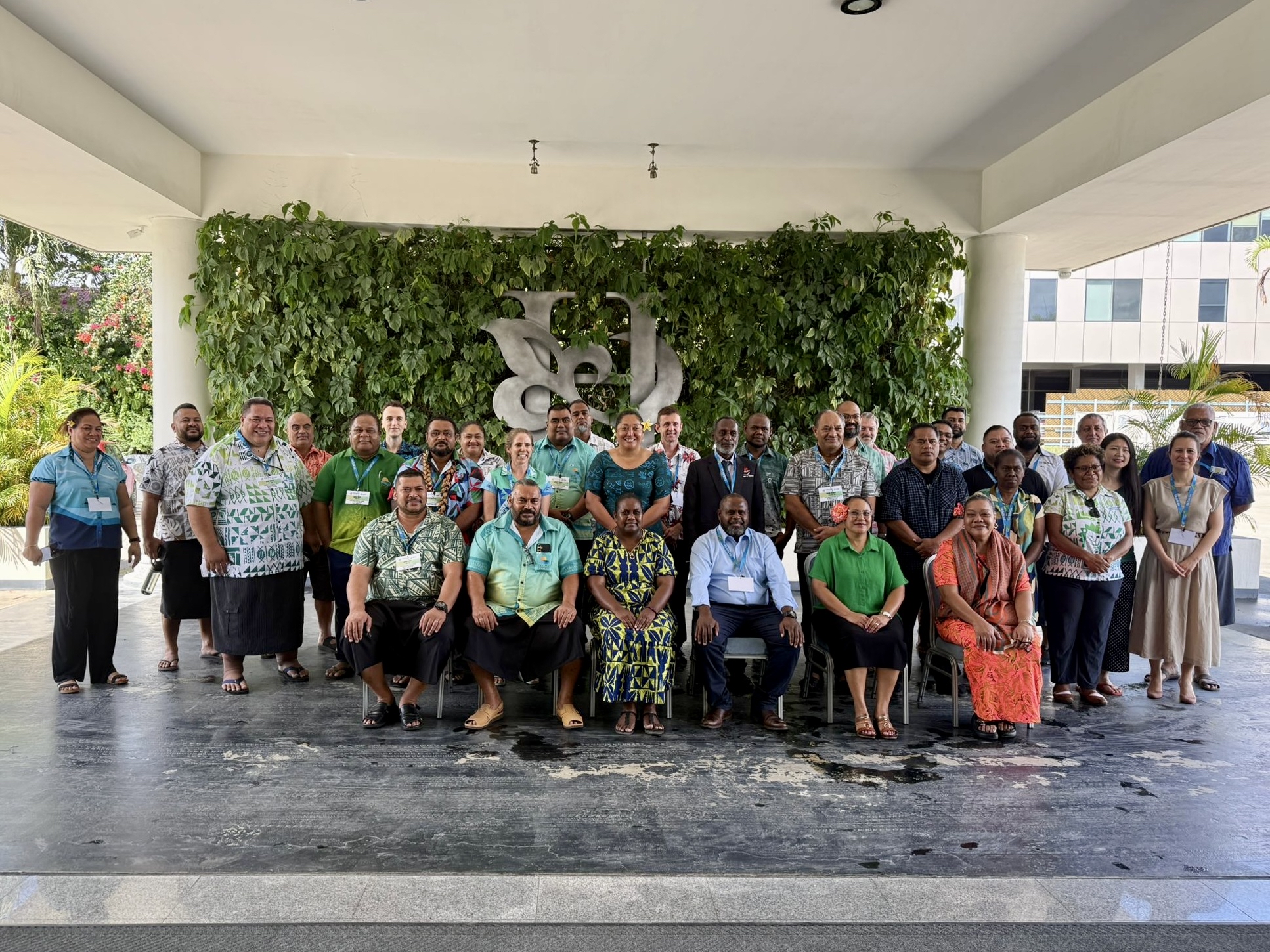
May 27, 2026Directors of National Meteorological and Hydrological Services (NMHSs) from across the Pacific have converged on Honiara this week for a landmark workshop to review the Pacific Islands Meteorological Strategy (PIMS) 2017–2026 and begin drafting the region’s successor strategy through to 2036.
The PIMS Review and Drafting Workshop, held from 26 to 30 May at the Heritage Park Hotel, brings together meteorological directors, UN and regional organisations including SPREP, Pacific Disability Forum, the World Meteorological Organization (WMO), Forum Fisheries Agency (FFA), the Pacific Community (SPC), and the United Nations Office for Disaster Risk Reduction (UNDRR), alongside development partners and technical agencies. The workshop is funded by the European Union through the Intra-ACP Climate Services and Related Applications (ClimSA) Programme, with the review led by international consultancy Varysian Limited.
The current PIMS, structured around eleven Performance Key Outcomes (PKOs), has served as the primary regional framework for sustaining and strengthening weather, climate, water and ocean services across the 25 Pacific Island Countries and Territories. As the strategy reaches its final year, this workshop marks a decisive step in shaping what comes next.
Desk Review Reveals Strengths and Structural Gaps
An independent desk review evaluation of the PIMS (2017–2026), completed by Varysian Limited in May 2026, provides the analytical foundation for the workshop’s deliberations. The evaluation examined the full ecosystem of regional programmes, projects, frameworks and coordination mechanisms that have contributed to PIMS implementation over the past decade.
The review finds that PIMS has been effective as a regional strategic anchor, providing a shared language for NMHS strengthening across the Pacific. The strongest areas of visible progress include multi-hazard early warning systems, climate services, ocean-climate information, observational infrastructure and regional technical cooperation. Flagship programmes such as Weather Ready Pacific (WRP), the Climate and Oceans Support Program for the Pacific (COSPPac), the ClimSA Pacific programme and CREWS Pacific have collectively driven significant technical and service gains.
Simultaneously, the evaluation identifies persistent structural gaps. Hydrological services remain less developed than meteorology, climate services and early warning systems across the region. Institutional sustainability, particularly around staffing, maintenance capacity, operational financing and clear mandates, remains a central concern.
Evidence on last-mile delivery, end-user satisfaction and the uptake of services by communities and sectors such as agriculture, fisheries, health and tourism is uneven. The review also points to fragmented implementation, with many programmes operating through separate governance arrangements, workplans and reporting systems rather than through a consolidated PIMS framework.
The evaluation concludes that PIMS has been most effective where it has acted as a convening and alignment framework, and least effective where stronger implementation tracking, evidence generation and accountability were required. The strategy to succeed the current one must evolve from a primarily strategic document into a results-driven operational framework.
From Review to Action
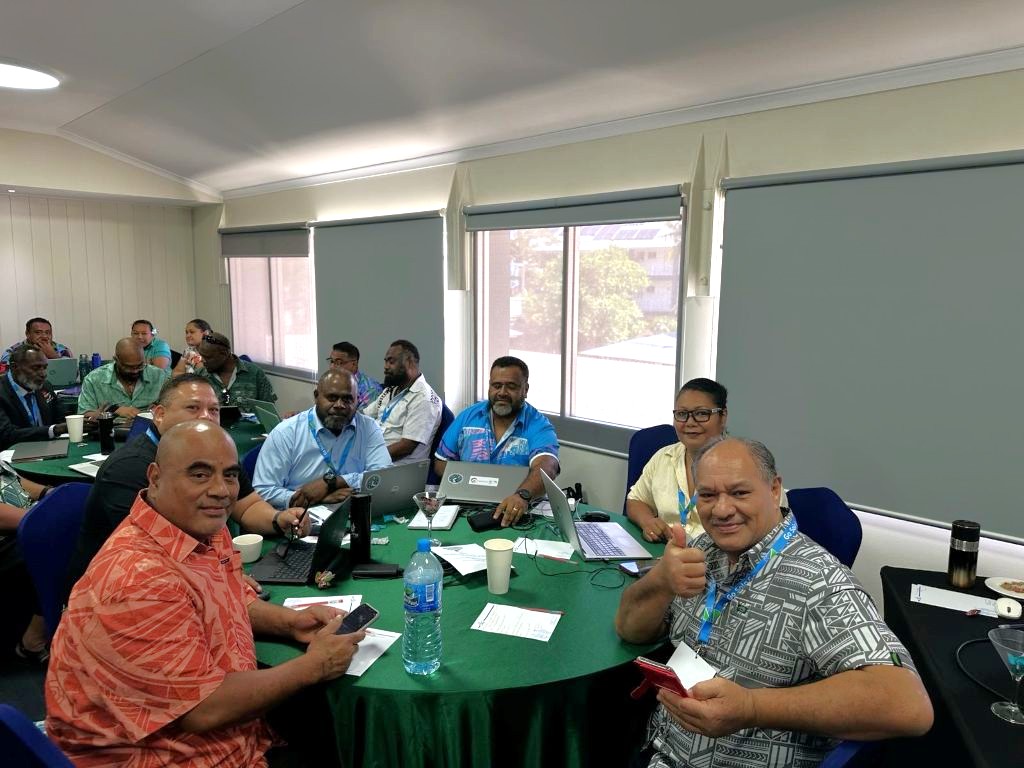
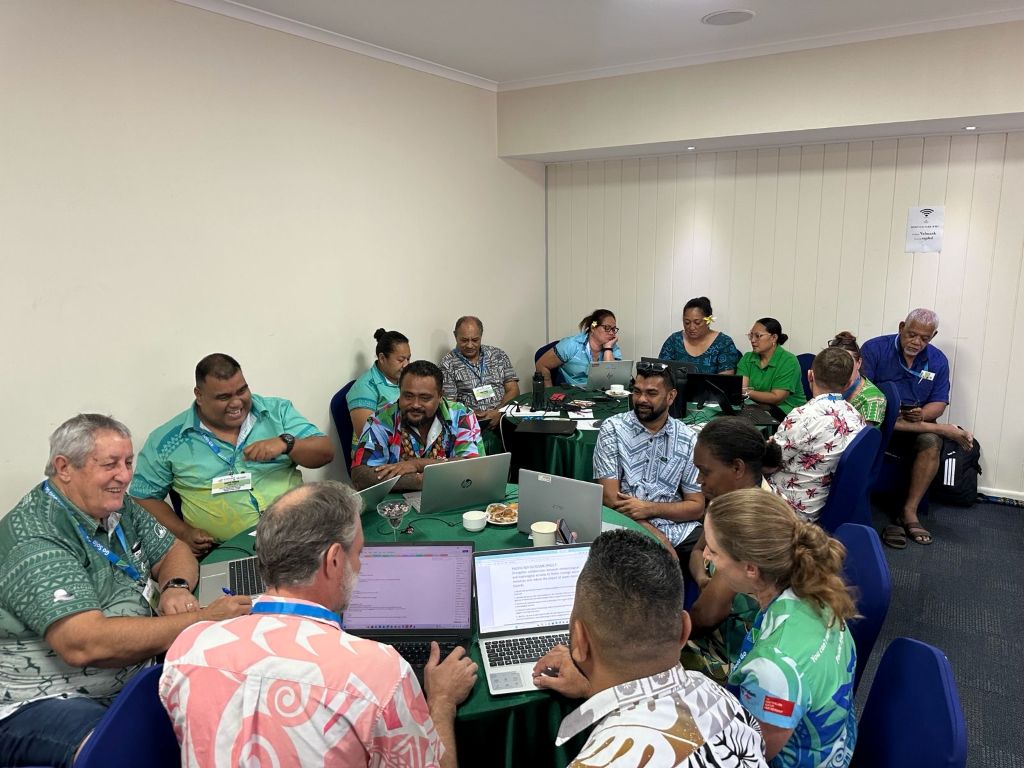
Over three working days, participants will synthesise findings from national and regional stakeholder consultations conducted during early 2026, review the existing eleven PKOs and identify emerging priorities, and begin drafting the core PIMS 2027–2036 strategy document.
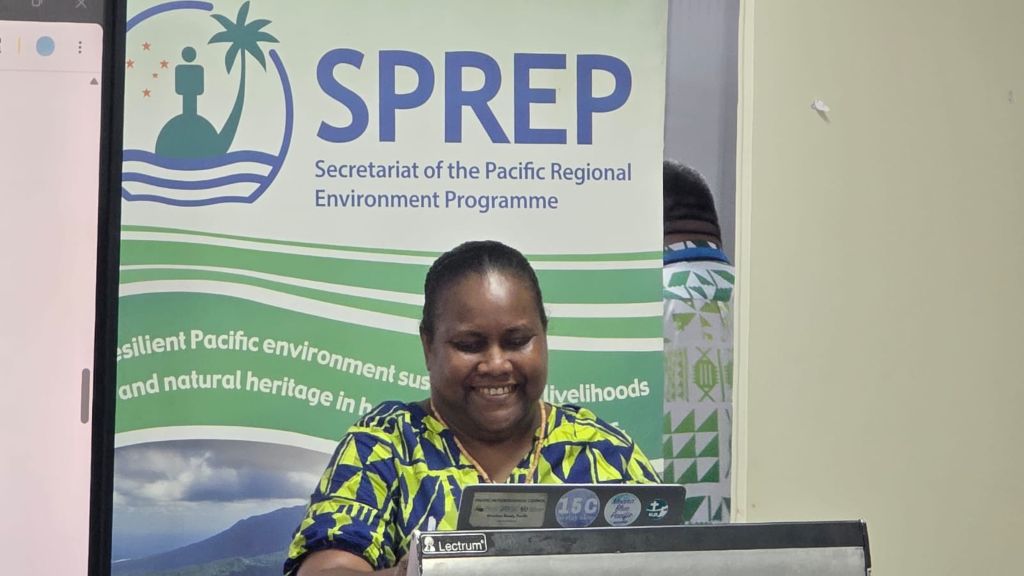
In opening the workshop, Solomon Islands Deputy Secretary Technical for Environment, Climate Change, Disaster Management and Meteorology, Ms. Agnetha Vare Karamui, called on delegates to think beyond business-as-usual.
“We are not here merely to edit a document; we are here to architect the future of the Blue Pacific Continent,” Ms. Karamui said. “Let us work with the urgency that our climate reality demands and the solidarity that our Pacific culture provides.”
Technical sessions will also focus on developing an implementation plan and associated budget, a monitoring and evaluation framework with measurable indicators, and a sustainability and resource mobilisation strategy. A dedicated session on communications and outreach will address the critical challenge of delivering weather and climate information to the last mile, the most vulnerable communities across the Pacific’s dispersed islands.
The workshop will also ensure the successor strategy is aligned with the WMO and SPREP Strategic Plans, the 2050 Strategy for the Blue Pacific Continent, the Framework for Resilient Development in the Pacific, Weather Ready Pacific and the global Early Warnings for All initiative.
The Road to PMC-8
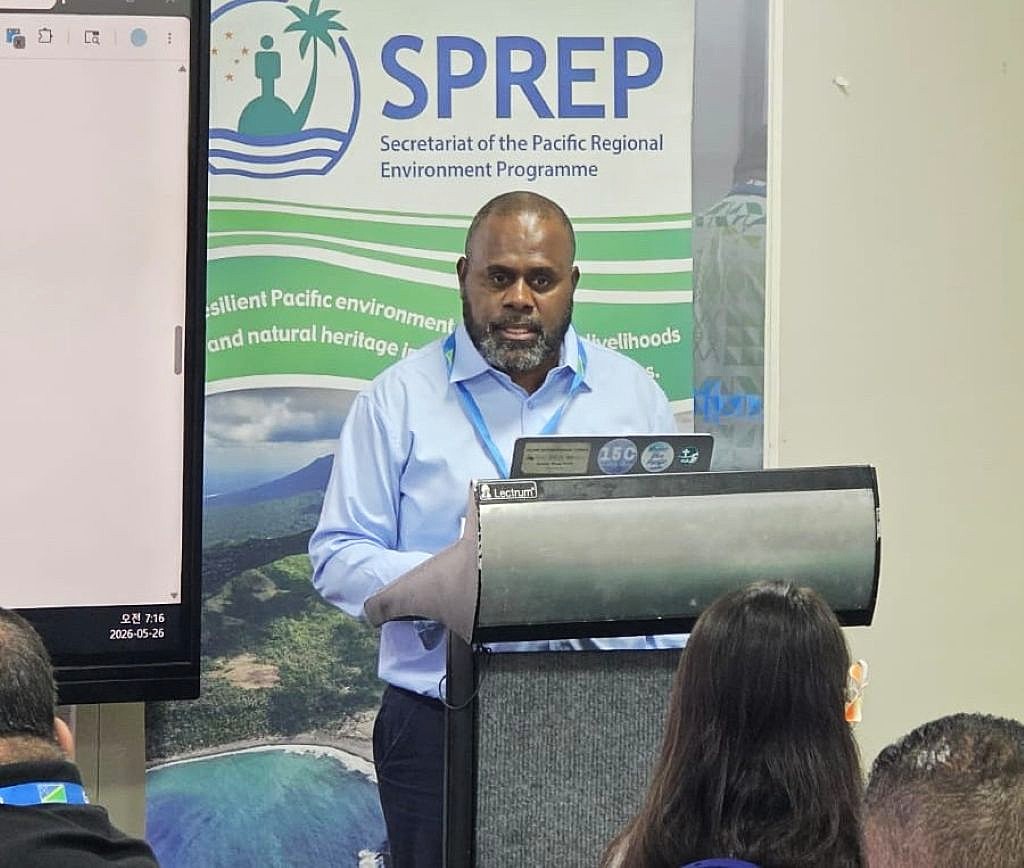
Pacific Meteorological Council Chair, Mr. Levu Antfalo, reinforced the stakes for the region’s meteorological community.
“Our goal is to build the institutional resilience and service quality that our Pacific communities deserve. The strategy we draft here must reflect the unique vulnerabilities of our dispersed island nations and the technical needs of your individual services,” Mr. Antfalo said
The draft strategy produced in Honiara will proceed through a regional validation process before being presented for endorsement at the 8th Pacific Meteorological Council (PMC-8) in Nuku’alofa, Tonga. The workshop reflects the Pacific’s determination to move from fragmented, project-driven implementation towards an integrated, investment-oriented approach to weather, climate, water, ocean and early warning services, one that strengthens national institutions, reaches every community, and builds lasting resilience across the Blue Pacific.
